
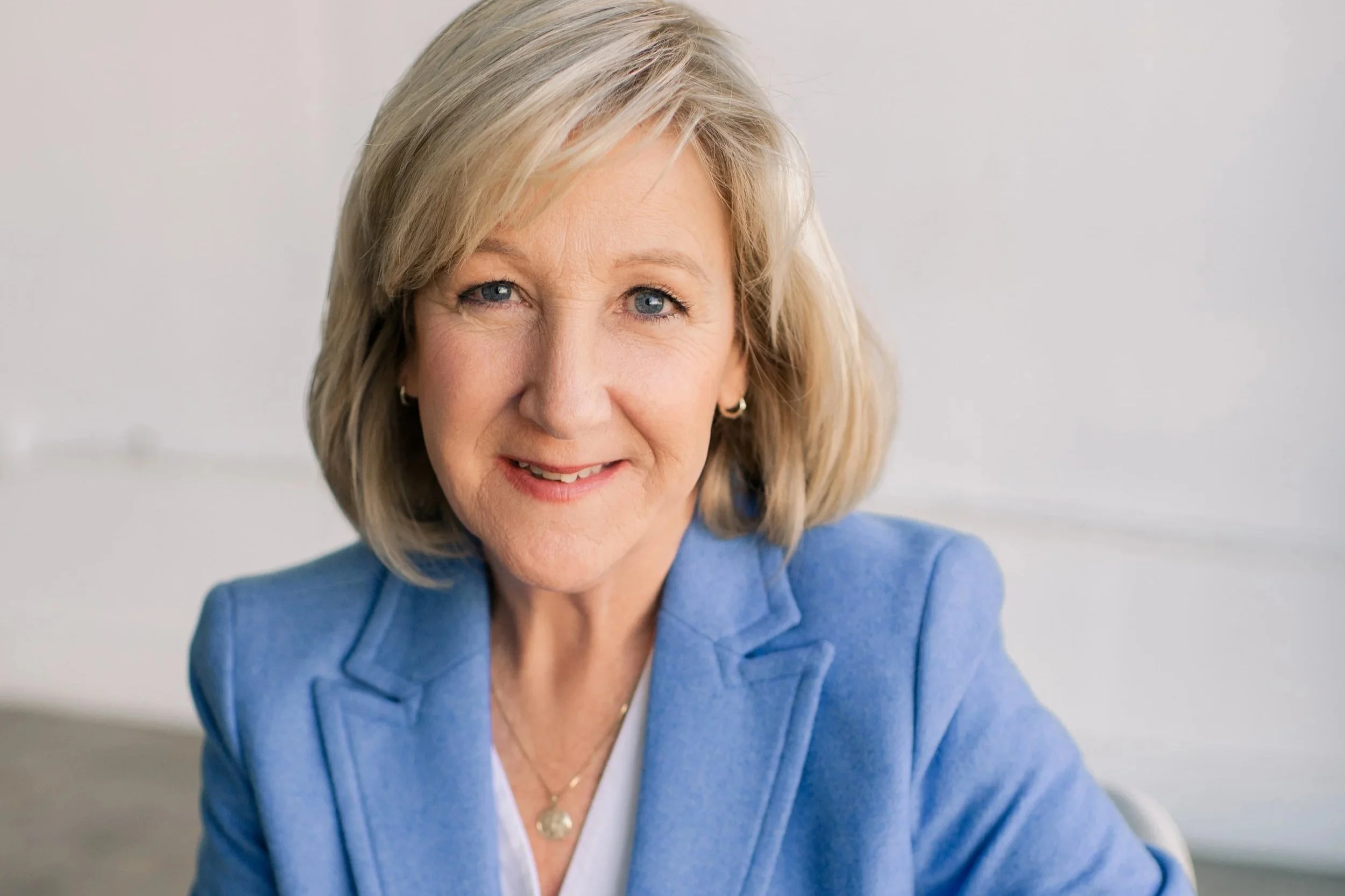

Martha Graham, LPC-S
Certified sex addiction therapistHelping you create meaning, purpose, and healthy relationships so you can live a life that truly feels like yours.
Do you find yourself struggling to know who you are outside of the expectations of others? Do you feel like other people have something figured out that you can’t quite understand? Are you longing to heal from past traumas, pain, or relational distress but don’t know how to get started? Whatever has you considering therapy, I am here to be alongside you every step of the way.
Therapy with me starts with slowing things down and getting the full picture. You can expect both honesty and compassion here. I think balance is important, so with me you will feel seen, heard, and be held gently accountable. Together, we will create a container that will help you consider how your earliest relationships and current behaviors are impacting your ability to get what you want out of your life.
I have a true passion for helping individuals and couples who are looking to prioritize their own needs, break co-dependent patterns, build greater confidence with themselves, and establish the sorts of healthy relationships they have long been hoping to find.
I also feel committed to holding space for those who have experienced trauma related to faith, religion, or betrayal. I pride myself on having an expansive toolbox that helps me to customize your therapy experience so you can have the true transformation you’re looking for.
Specializations:
Couples therapy
Relationship concerns
Religious trauma
LGBTQIA+ affirming care
Women’s intimacy issues
Betrayal trauma
Codependency issues
Recovery from substance use concerns
Meaning-making and authentic living
What clients often say about me:Clients tend to say that I am kind, compassionate, and non-judgmental. You will never have to wonder what I am thinking as I value transparency and authenticity, and bring my human self into our work.
I love working with…
Single individuals who are looking for healthy relationships and personal meaning
LGBTQIA+ folks looking to heal from pain caused by the church or family messages
Married people who are struggling with infidelity and problematic sexual behaviors
Partnered people who want to find the spark in their relationship
Those looking to break patterns related to addiction and use disorders
Asexual individuals looking to accept and learn more about themselves
Gay men struggling to heal from betrayal trauma
Couples in midlife who are wanting to end toxic relationships cycles
Lesbian couples who have grown apart and feel more like roommates than partners
Women who are experiencing intimacy issues and disconnection from themselves

Some of the approaches I use:
Cognitive Behavioral Therapy (CBT)
Developmental Trauma Model
Dialectical Behavior Therapy
Eye Movement Desensitization & Reprocessing Therapy (EMDR)
Family Systems Theory
Post Induction Therapy
Some of the approaches I use:
Cognitive Behavioral Therapy (CBT)
Developmental Trauma Model
Dialectical Behavior Therapy
Eye Movement Desensitization & Reprocessing Therapy (EMDR)
Family Systems Theory
Post Induction Therapy
FAQ’s
Betrayal can leave you questioning your relationship, your partner, and even your own judgment. Whether you're navigating infidelity, broken agreements, or other breaches of trust, couples therapy can help you understand what happened, communicate more openly, and explore what rebuilding trust might look like. Healing doesn't mean rushing toward forgiveness or deciding to stay together. It's about creating space for honesty, accountability, and meaningful decisions about your relationship's future.
How can couples therapy help us rebuild trust after betrayal?
1
Absolutely. Religious trauma can leave lasting impacts on how you understand yourself, your relationships, and your sense of belonging. You may struggle with guilt, shame, fear of rejection, or uncertainty about beliefs that once shaped your life. For LGBTQIA+ individuals, these experiences can be especially complicated when faith communities have rejected or invalidated important parts of who you are. Therapy can help you process these experiences, explore your identity without judgment, and develop a relationship with your values and beliefs that feels authentic to you.
Can therapy help me heal from religious trauma while exploring my identity?
2
If you've spent years prioritizing other people's needs, avoiding conflict, or measuring your worth through your relationships, it can be difficult to recognize what you want or feel comfortable asking for it. These patterns are sometimes associated with codependency, attachment wounds, or past relational experiences. Therapy can help you understand where these patterns developed, strengthen your boundaries, and build greater confidence in expressing your needs. The goal isn't to become less caring; it's to create relationships where your needs matter, too.
Why do I struggle with intimacy, boundaries, or losing myself in relationships?
3
Can therapy help me find meaning and purpose when I feel disconnected from my life?
4
You don't have to be experiencing a crisis to benefit from therapy. Sometimes you reach a point where the life you've built no longer feels aligned with who you are or what matters most to you. You might be questioning your relationships, career, identity, or beliefs, or simply wondering what comes next. Therapy can offer space to explore these questions, reconnect with your values, and discover what a more meaningful and fulfilling life could look like for you.